


You become the designer
In the next few pages we are going to study the fashion of the time period of “Ancient Grease” and we will have our own “Next In Fashion” competition.
This project requires no sewing because in ancient Greece the clothing was not sewn, it was draped. Pins, clips and knots were used to keep things attached and the garments were of a simple nature. Just perfect for us as we begin our quest to learn about costuming.

In Next In Fashion, 18 of the world’s best and brightest fashion designers compete in challenges for a chance to win a quarter of a million dollars and prove they are the future of fashion.
Watch the video below and “You Be The Judge”. Tell me which fashion you think won and tell me why. Did you agree with the judges or do you think another team should have won and why. Please be concise. What were the reasons you thought the costume should have won. What might they have done to make it more interesting to you. If you liked another let me know what they did that made it better in your opinion and why you think so. This is a paper so support your opinion clearly. You be the critic here.

Inspired Greek Fashion



Page 28

Page 27

Read pages 28, 29 & 30.
Watch the above video then go to page 29 and watch the video on “Ancient Greece”.
Costume Design
Back to Page 28

Ancient Greece
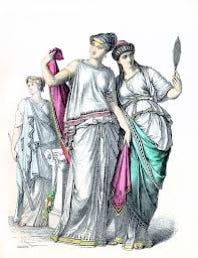
Inner tunic that was worn by women was a “peplos”. It was made of wool and had clasps at shoulders. The upper part of the peplos was folded down to the waist and formed so-called apoptygma. Chiton was lighter tunic, often pleated, made of linen and worn by both genders and all ages. Chitons also had knee-length for men and ankle-length for women.
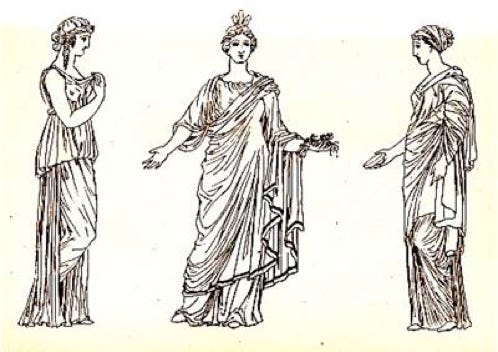
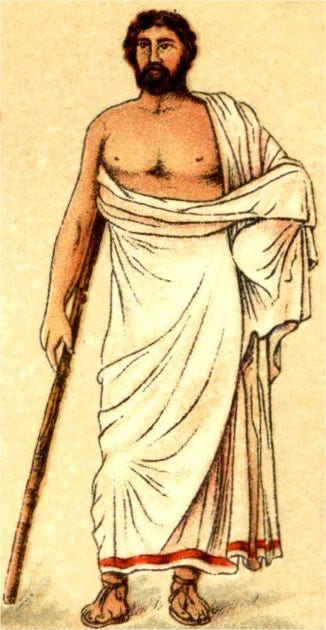
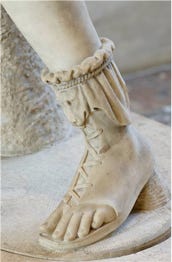
Clothing in Ancient Greece consisted of lengths of rectangular linen or wool fabric. The Greeks wore light clothes as the climate was hot for most of the year. Their garment usually consisted of two main parts: a tunic (either a peplos or chiton) and a cloak (himation). Clothes were secured with ornamental clasps or pins at the shoulder and belt, sash, or girdle at the waist. Length of clothing differed between men and women. Women clothing was to their ankles while men wore their robe to the knees.

Page 30
Page 29
Costume Design